
When it comes to annual leave, it is not only the chance to rest and recharge that is at stake, but also the employer’s compliance with its legal obligations. But what does this mean in practice, and when can leave be carried over to the next year? In this post we review the rules – simply and clearly.
Who is responsible for granting leave?

The Labour Code states that granting leave is the employer’s responsibility. In plain terms: the employer must make sure that every employee receives their annual leave on time and in accordance with the rules. By law, leave cannot simply be pushed into the next year, unless there is a well-founded reason.
This not only supports employees’ rest but also their long-term well-being – after all, everyone needs a break. And, of course, it keeps us compliant with the rules!
When can leave nevertheless be carried over to the next year?
There are a few special cases in which leave can still be carried over to the following year:
- Illness or other impediment: if someone was ill for a longer period, for example, or could not take leave for another reason, the leave must be granted within 60 days after the impediment ceases.
- Age-based additional leave: if the employer and the employee agree (in writing), the additional leave based on age can be granted until the end of the following year.
- Leave spanning the year end: beyond the days granted during the year, leave also counts as granted in the current year if the employer grants it so that it begins in the year it is due but its uninterrupted duration ends only in the following year. The part spanning the year end may not exceed five working days.
- Employment starting after 1 October: if someone started a new job towards the end of the year (on or after 1 October), the employer may grant their leave until 31 March of the following year.
- Provisions of a collective agreement: at some workplaces a collective agreement may provide that part of the leave can be postponed until the end of March.
It is important to bear in mind that if the employer does not grant the current year’s leave but the employee carries it over to the next year, the untaken days keep piling up, until eventually we may find ourselves with an amount of accumulated leave that can no longer be granted.
What about paying out leave in money?
Many people ask what happens to untaken leave – can it be paid out in money? Well, the law is clear: leave can only be paid out in money when the employment ends. So during an ongoing employment relationship this is not possible.
What to do if there is ungranted leave left over – does the employee lose it?
Under the Hungarian Labour Code, leave must, as a rule, be granted in the year it is due. If the employer does not grant the leave in that year, it is not lost automatically; the employee remains entitled to take it.
The limitation period for such ungranted leave is three years, starting from the end of the year in which it was due. This means that if, for example, the leave due for 2024 was not granted, its limitation period expires on 31 December 2027. Within this period the employee can request that the leave be granted or – if the employment ends – that it be paid out in money.
In summary
Granting leave is therefore not only in the employees’ interest but also the employers’ responsibility. It is worth making sure that annual leave is granted on time and only carried over to the next year in the cases permitted by law. This also contributes greatly to employee satisfaction and motivation, so following the rules is not only a legal obligation but also improves the workplace atmosphere.
* The content published on this blog is protected by copyright and is for information purposes only. It does not constitute official legal advice or an expert opinion. The posts were prepared on the basis of the information available and our best knowledge at the time of publication. Please note that legislation may change over time, which may affect the current legal accuracy of what is written. It is therefore recommended to keep up to date with the relevant legislation in every case.
More posts
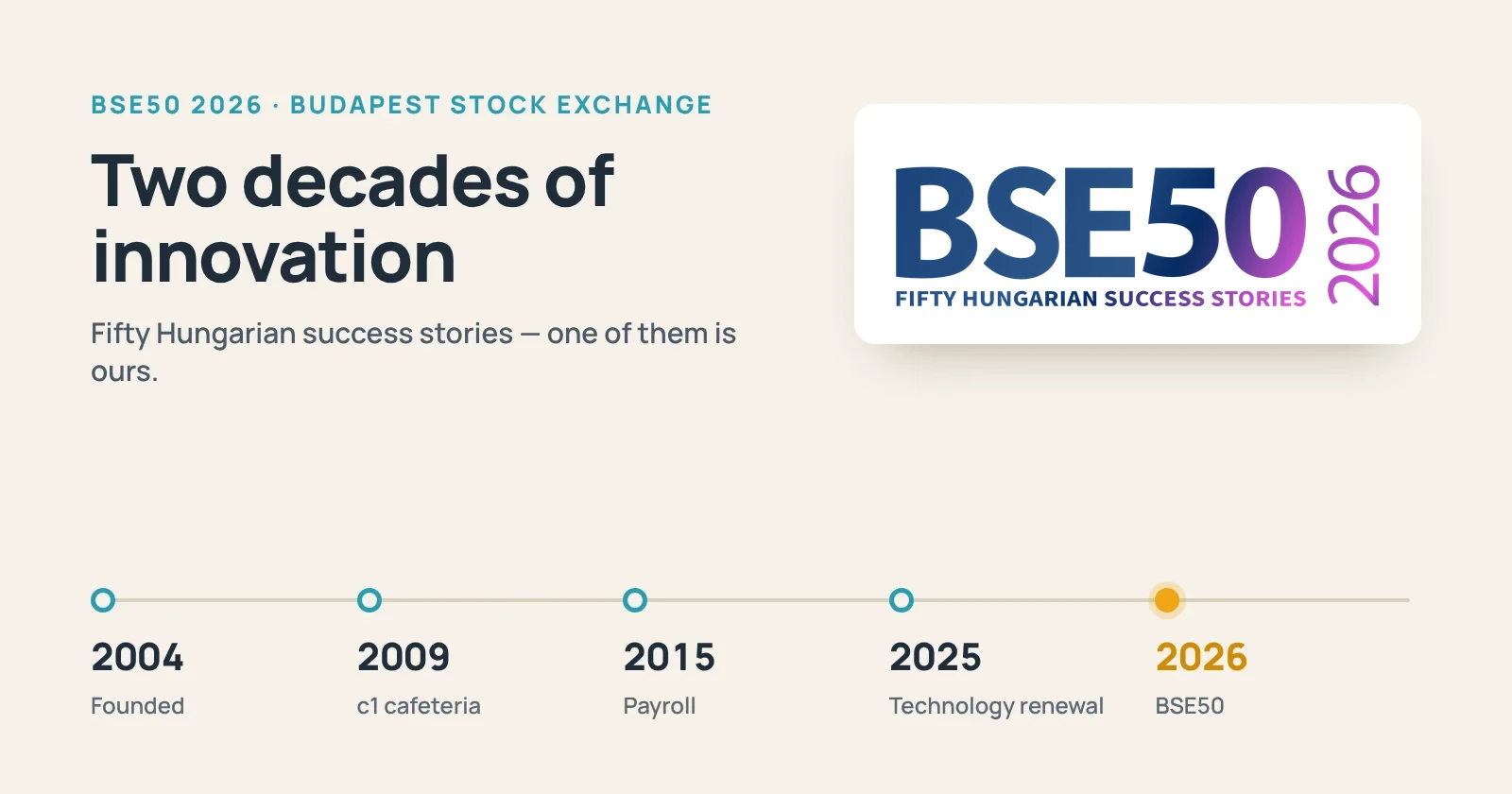
Codebase among the BSE50 2026 companies
The Budapest Stock Exchange has published BSE50 2026, its book on the success stories of fifty Hungarian companies. Codebase Kft., the company behind Codebase Payroll Services, is one of them. We are very proud of this recognition from the market.
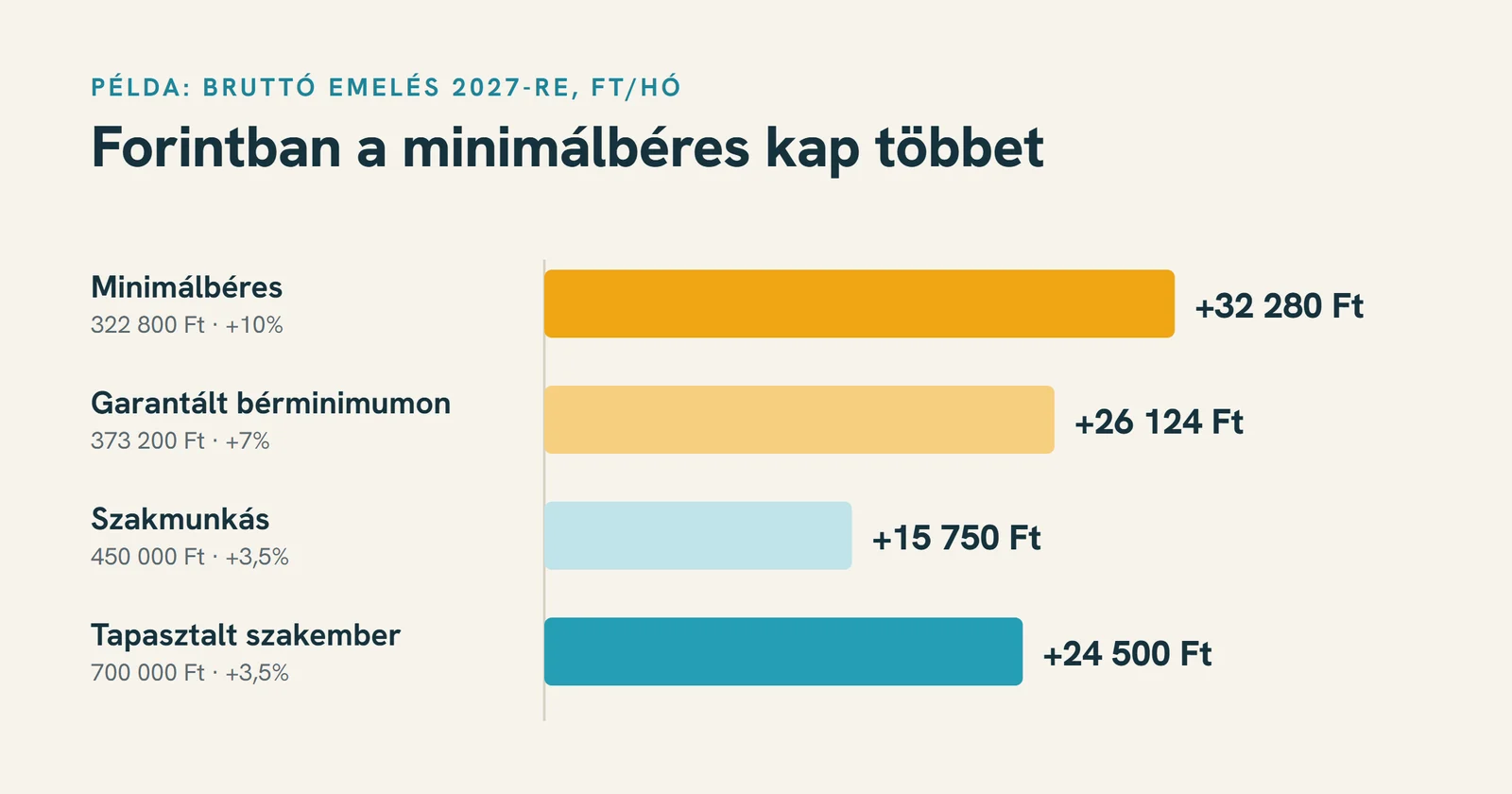
Pay planning for 2027: what should employers focus on now?
The 2027 pay rise budget has not been decided yet, but anyone who waits until December will be scrambling in January. What we know about the minimum wage and the guaranteed wage minimum, why the gap at the bottom of the pay scale is closing, what to watch in employer charges and pay transparency — and a checklist for the rest of the year.

Overtime, annual leave and sick leave: a quick guide
How much is overtime pay, and do you have to accept overtime? How many days of leave are you really entitled to, and is it lost if you do not take it? What is the difference between sick leave and sick pay? The three most misunderstood areas, explained.
Let’s talk about your payroll.
A few details about your company, and we get back to you within one working day: we learn about your current processes and prepare a tailored proposal. Or call us during office hours.