
Let’s start with a brief look back! Since 1 January 2023, a father has been entitled to 10 working days of paternity leave when his child is born, which he can use no later than within 2 months after the birth. This leave must be granted at the time requested by the father, in no more than two instalments. It is worth knowing that the ten days of paternity leave are due even if the employee joins the company mid-year, i.e. it does not have to be prorated, and it does not have to be granted in the year it is due; it can be carried over to the next calendar year.
Importantly, full absence pay (what he would also receive during ordinary paid leave) is due only for the first 5 working days; for the second 5 days the father is entitled to only 40% of absence pay.
What changes from 2025?
Currently, at least two months are available after the child’s birth to use paternity leave – under the proposal this would be doubled, to 4 months.
For employees this can matter in several cases. If, for example, the child is born prematurely, or shortly after the birth the newborn needs longer hospital treatment for another reason, the father might want to wait before using his paternity leave. It can also happen that the court’s recognition of paternity drags on, and the father would thereby miss out on using paternity leave after the birth. The proposed amendment thus gives more fathers the opportunity to take their 10 days of paternity leave.
The planned change brings no change for the employer: as before, only the 100% absence pay for the first 5 days can be reclaimed from the central budget; for the second 5 days only 40% absence pay has to be paid, but that amount comes out of the employer’s own pocket.
* The content published on this blog is protected by copyright and is for information purposes only. It does not constitute official legal advice or an expert opinion. The posts were prepared on the basis of the information available and our best knowledge at the time of publication. Please note that legislation may change over time, which may affect the current legal accuracy of what is written. It is therefore recommended to keep up to date with the relevant legislation in every case.
More posts
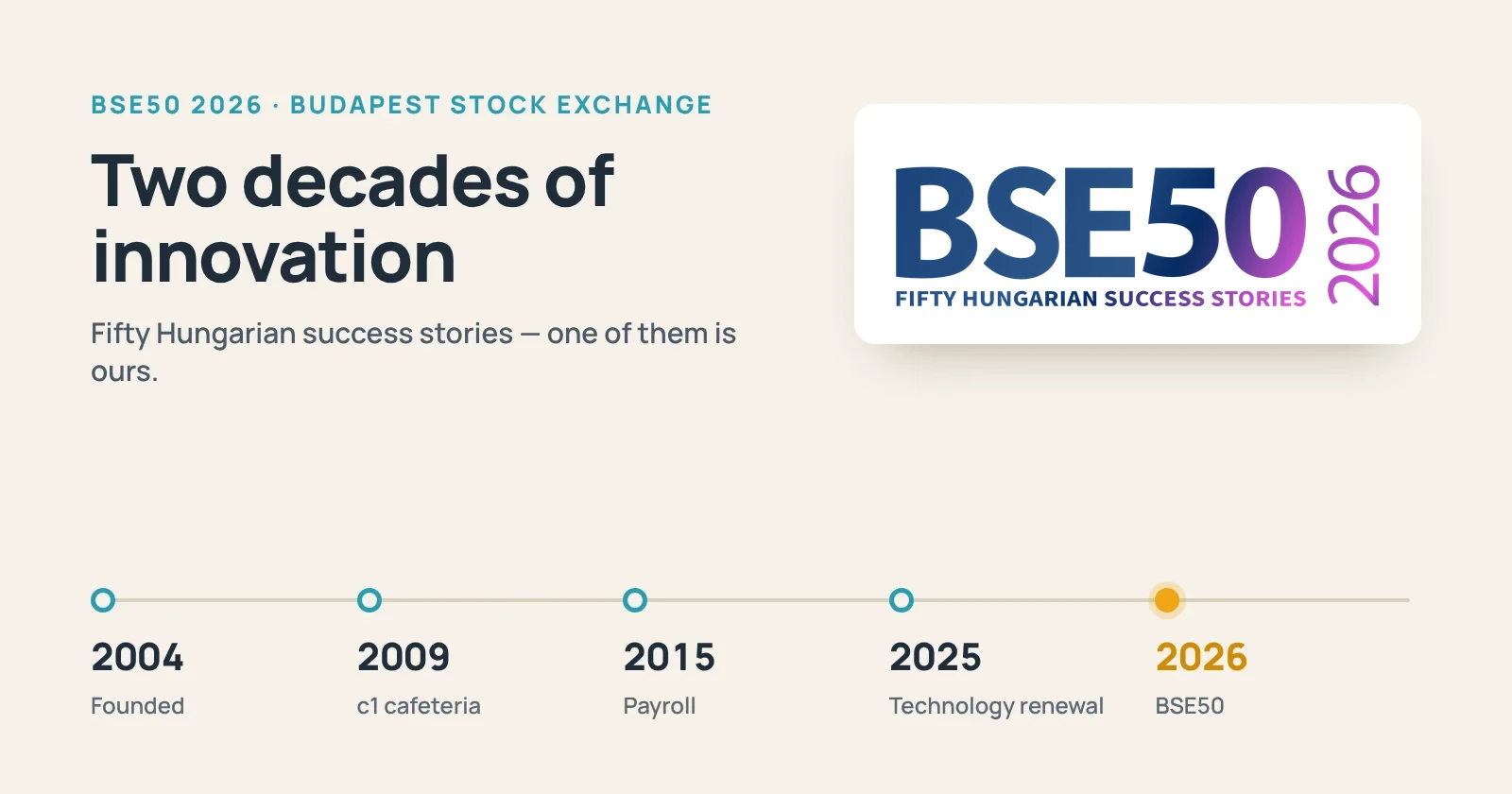
Codebase among the BSE50 2026 companies
The Budapest Stock Exchange has published BSE50 2026, its book on the success stories of fifty Hungarian companies. Codebase Kft., the company behind Codebase Payroll Services, is one of them. We are very proud of this recognition from the market.
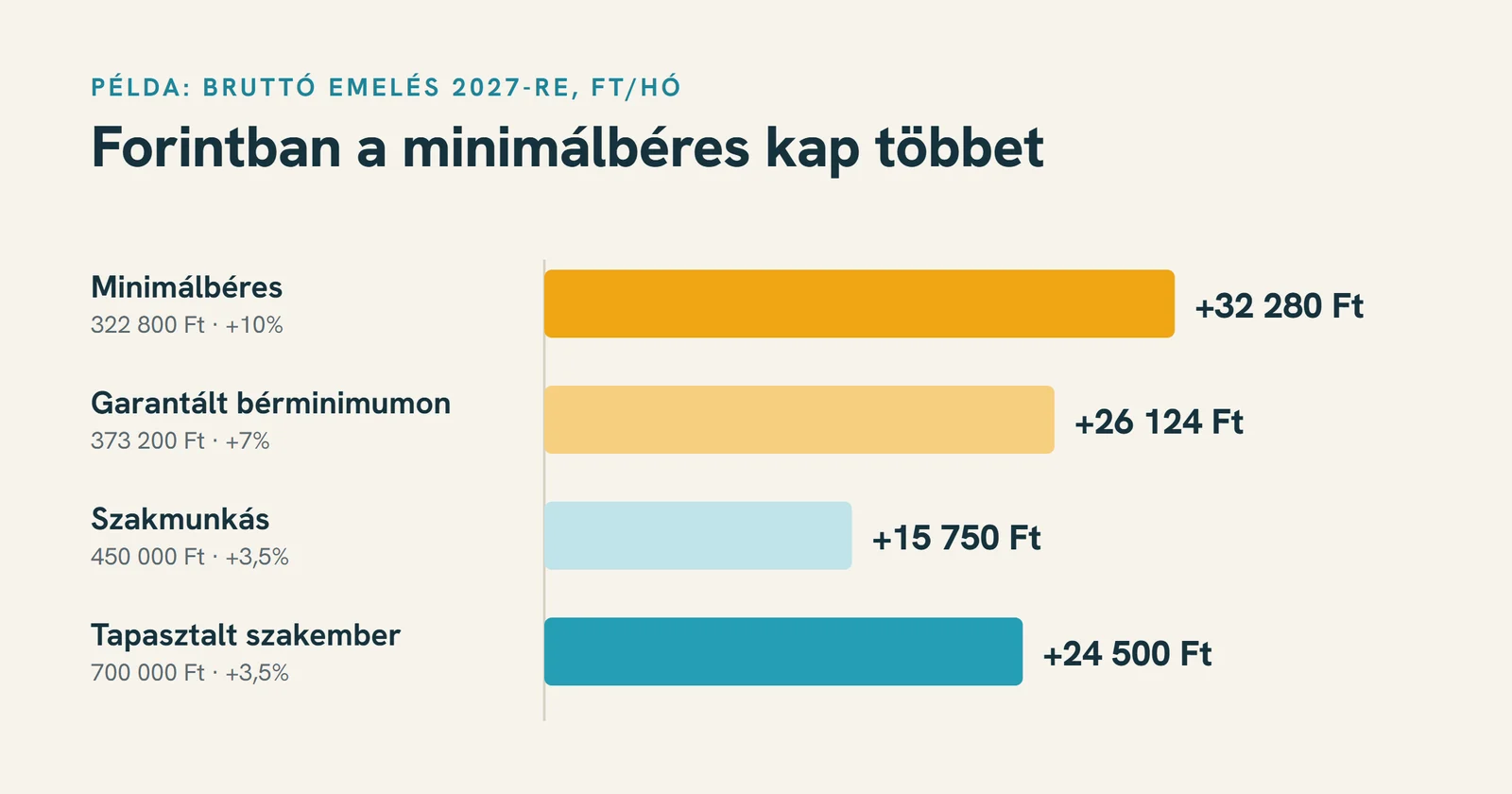
Pay planning for 2027: what should employers focus on now?
The 2027 pay rise budget has not been decided yet, but anyone who waits until December will be scrambling in January. What we know about the minimum wage and the guaranteed wage minimum, why the gap at the bottom of the pay scale is closing, what to watch in employer charges and pay transparency — and a checklist for the rest of the year.

Overtime, annual leave and sick leave: a quick guide
How much is overtime pay, and do you have to accept overtime? How many days of leave are you really entitled to, and is it lost if you do not take it? What is the difference between sick leave and sick pay? The three most misunderstood areas, explained.
Let’s talk about your payroll.
A few details about your company, and we get back to you within one working day: we learn about your current processes and prepare a tailored proposal. Or call us during office hours.